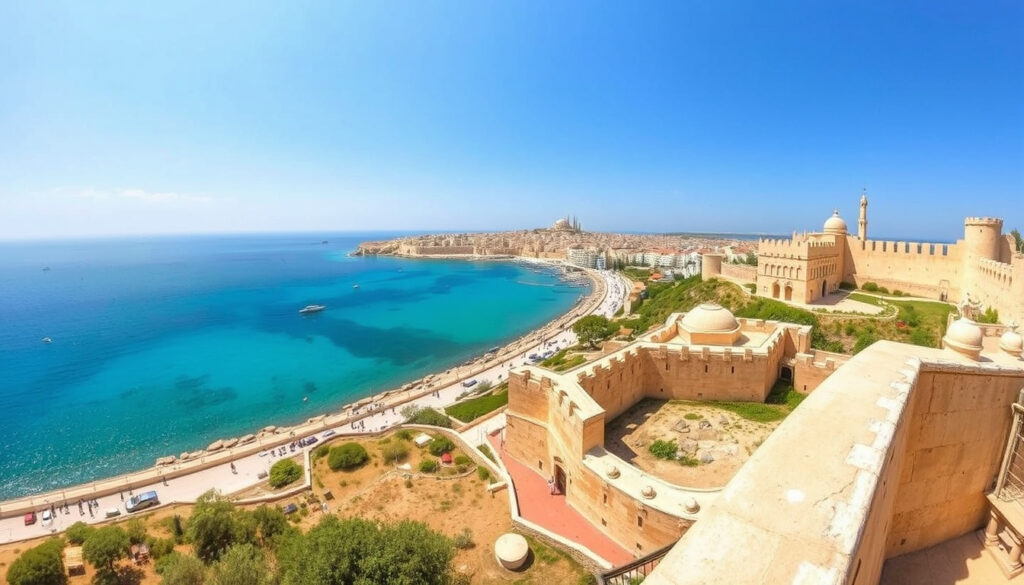
Things to Do in Malta: 2026 Budget, Best Time and Attractions
There’s something about Malta that makes travelers keep coming back — maybe it’s the size. In just 316 square kilometers, you get three UNESCO World Heritage sites, a coastline that’s part sand, part limestone, and a capital city that feels like an open-air museum. This guide covers the top attractions, practical costs, best times to visit, and a few cultural quirks you’ll want to know before you go.
Average pint of beer cost (2026): €3.50–€5.00 ·
Minimum recommended stay: 4–5 days ·
Average weekly budget (low-cost, excl. flight): €500–€700 per person ·
Peak tourist season: June–September ·
Number of UNESCO World Heritage sites: 3 (Valletta, Ħal Saflieni Hypogeum, Megalithic Temples)
Quick snapshot
- Valletta: St. John’s Co-Cathedral, Grandmaster’s Palace (Lonely Planet travel guide)
- Mdina: Silent city, medieval walls (Hotels.com breakdown)
- Megalithic Temples: Ġgantija, Ħaġar Qim (This Wildlife of Mine budget itinerary)
- Blue Lagoon, Comino (Worldpackers traveler resource)
- Pint of beer: €3.50–€5.00 (This Wildlife of Mine)
- Bus ticket: €2.00 single (This Wildlife of Mine)
- Mid-range hotel: €80–€150/night (This Wildlife of Mine)
- Weekly budget (low): €500–€700 (This Wildlife of Mine)
- Best weather: June–September (Lonely Planet seasonal guide)
- Best for sightseeing: April–May, October–November (Lonely Planet seasonal guide)
- Winter: quiet, mild, lower prices (Lonely Planet seasonal guide)
- Valletta: culture and history (Hotels.com accommodation guide)
- Sliema/St. Julian’s: nightlife (Hotels.com accommodation guide)
- Gozo: relaxation and nature (Hotels.com accommodation guide)
- St. Paul’s Bay: budget-friendly (Hotels.com accommodation guide)
The table below outlines the key facts that define Malta as a destination.
| Fact | Value |
|---|---|
| Population | approx. 515,000 (2024 estimate) |
| Time zone | CET (UTC+1), CEST in summer |
| Currency | Euro (€) |
| Drives on the | Left |
| Main international airport | Malta International Airport (MLA) |
What should I not miss in Malta?
Valletta and the Grand Harbour
- Valletta is a UNESCO World Heritage site with St. John’s Co-Cathedral (entry €15 including tour) and the Grandmaster’s Palace.
- Barrakka Gardens in Valletta are free daily 7am–10pm, offering panoramic harbor views.
Mdina and Rabat
- Mdina is the silent city with medieval architecture. Its old city walls, gates, and streets are free to explore.
- The Mdina Gate was built in Baroque style in 1724.
Mdina remains one of the few fortified towns in Europe that hasn’t been overrun by souvenir shops — the authenticity costs nothing to experience.
The Megalithic Temples
- The Megalithic Temples date back to 3600 BC, older than Stonehenge. Ħaġar Qim and Mnajdra entry costs €7.50.
- Heritage Malta Multisite Pass (€30 adults, valid 30 days) covers Tarxien Temples and six other archaeological sites.
Blue Lagoon and Comino
- Blue Lagoon is a crystal-clear inlet on Comino, accessible by ferry from Malta or Gozo.
- Lonely Planet notes that top attractions like beaches are free — bring your own snorkel gear.
Gozo Island day trip
- Gozo offers rural landscapes, the Ġgantija Temples, and diving spots. Ta’ Kola windmill is free entry with Ggantija temples ticket.
The implication: Gozo delivers a slower, greener Malta without the summer crowds of the main island. A day trip from Valletta via the Cirkewwa ferry costs less than €10 round trip.
How many days in Malta is enough?
Suggested minimum: 4–5 days
- 4–5 days allows coverage of Valletta, Mdina, Gozo, and the Blue Lagoon. A 3-day itinerary can work but is tight.
Itinerary for 3 days
- Day 1: Valletta (St. John’s, Grandmaster’s Palace, Barrakka Gardens). Day 2: Mdina and Rabat. Day 3: Blue Lagoon or Gozo.
Itinerary for 7 days
- 7 days enables slower exploration: add Comino snorkeling, a Gozo dive, and day trips to the Megalithic Temples.
- Lonely Planet recommends November to March for indoor attractions with lower prices.
The pattern: A long weekend (3 days) is doable, but you’ll miss Gozo. A week gives breathing room and the chance to explore at a local pace.
Is Malta expensive? A 2026 budget breakdown
Cost of accommodation
- Budget hotel: €50–€80 per night; mid-range: €80–€150.
- Hotels.com guide shows St. Paul’s Bay as the most budget-friendly area.
Cost of food and drink
- Average pint of beer: €3.50–€5.00 (2026).
- A meal at a local restaurant: €12–€20.
Transport costs
- Public bus single fare: €2.00; 4-day unlimited bus pass: €15.
- Weekly pass: €21.
- Ferry to Gozo: €4.65 one way.
Entry fees and activities
- Museum entry: €5–€15 typical.
- Heritage Malta Multisite Pass: €30/€10/€12.50 (adult/concession/children).
- Free walking tour in Valletta covers Barrakka Gardens and St. John’s Co-Cathedral exterior.
A weekly budget of €500–€700 per person covers accommodation, meals, local transport, and a few attractions. The trade-off: if you skip the Malta Pass and rely on free sights, you can pare that down to €400.
What is the best time of year to visit Malta?
Spring (March–May): mild and fewer crowds
- Lonely Planet notes spring as best for sightseeing without crowds.
- February Carnival features parades in Malta and Gozo.
Summer (June–September): hot and peak season
- Best weather for beach and water activities: June–September.
- Expect higher prices and more tourists.
Autumn (October–November): warm and quieter
- Best for sightseeing without crowds: April–May and October–November.
- November to March ideal for indoor attractions due to shorter queues.
Winter (December–February): cool but sunny, lowest prices
- Winter still sunny, around 15°C, many sites open year-round.
- Accommodation drops 30–40% from summer.
Why this matters: If your priority is budget, winter is the sweet spot — you lose swimming weather but gain empty streets and half-price hotels. For a beach holiday, June wins.
Which is the nicest part of Malta to stay in?
Valletta: history and culture hub
- Valletta offers the most cultural attractions.
- Hotels.com recommends Valletta for walking access to major sites.
Sliema and St. Julian’s: nightlife and shopping
- Sliema/St. Julian’s have the most bar/restaurant options.
Mdina and Rabat: quiet historic atmosphere
- Mdina/Rabat: quiet historic atmosphere, fewer tourists at night.
Gozo: rural and relaxed
- Gozo is best for a slower pace and nature. BudgetTraveller suggests Gozo for budget-conscious travelers.
St. Paul’s Bay and Bugibba: budget-friendly tourist area
- St. Paul’s Bay and Bugibba: budget-friendly tourist area with many cheap hotels.
The catch: Valletta is the most expensive for accommodation but saves you transport costs. Gozo is cheaper but you’ll need a ferry each day to see main-island attractions. St. Paul’s Bay offers the best value for a low-cost base.
Upsides
- Compact island: you can see the main sights in 4–5 days without long drives.
- English widely spoken, making navigation easy for English-speaking travelers.
- Low-cost options exist for every budget level — free walking tours, cheap bus passes, affordable street food.
- Three UNESCO sites in a small area, including the Megalithic Temples older than Stonehenge.
- Year-round mild climate; winter is actually sunny and pleasant.
Downsides
- Summer overcrowding at Blue Lagoon and Valletta; can feel like a conga line.
- Bus system can be slow in peak season; car rental is expensive and parking scarce.
- Some tourist scams in crowded areas — watch for overpriced taxis and fake “free” tours.
- Limited nightlife outside Sliema/St. Julian’s and Valletta.
- Many attractions close or reduce hours in winter (November–February).
Clarity check
Confirmed facts
- Malta has three UNESCO World Heritage sites.
- Average beer price range 2026: €3.50–€5.00 per pint.
- Public bus fare: €2.00 single, €21 weekly pass.
- No legal restriction on wearing green.
What’s unclear
- Exact future price changes after 2026 not available.
- Specific crowding levels in shoulder seasons vary year to year.
What travelers say
“Malta is generally safe; petty theft can occur in crowded areas. The UK Foreign Office advises normal safety precautions.”
UK Foreign Office travel advice (official government guidance)
“Valletta’s Grand Harbour is a living museum — you can stand where the Knights of St. John stood in 1565.”
Lonely Planet travel guide (editorial travel publisher)
“The Malta Tourism Authority reports that 2024 saw over 2.3 million visitors, with the highest concentration in July and August.”
VisitMalta.com official tourism site (Malta Tourism Authority data)
“A budget of €500 per week for one person is realistic if you stay in St. Paul’s Bay, eat local, and use the bus pass.”
This Wildlife of Mine budget travel blog (firsthand traveler account)
The takeaway for a budget-conscious traveler is clear: Malta delivers extraordinary historical density in a package that won’t break the bank — if you pick the right season and stay outside the main tourist strip. For a couple on a €600 weekly budget, the choice is between a week in Valletta with day trips or a relaxed ten-day stay in St. Paul’s Bay. Either way, you get a slice of Mediterranean history that’s still affordable.
For a deeper dive into the island’s hidden gems, check out this guide to top things to do in Malta from a local perspective.
Frequently asked questions
Do I need a visa to visit Malta?
Malta is part of the Schengen Area. Citizens of the EU, US, Canada, Australia, New Zealand, and many other countries can stay up to 90 days without a visa. Check the latest UK Foreign Office travel advice for your nationality.
What is the legal drinking age in Malta?
The legal drinking age is 17. However, many bars and clubs require patrons to be 18.
Can I use Uber in Malta?
Uber operates in Malta, but the local ride-hailing app eCabs is more widely used and often cheaper. Bolt also has good coverage.
Is tap water safe to drink in Malta?
Tap water is generally safe, though it’s desalinated and has a distinct taste. Most locals and visitors stick to bottled water for drinking.
Do I need to rent a car in Malta?
Not necessary. The public bus network covers most destinations, and ferries connect the islands. Renting a car can be expensive and parking is difficult in Valletta. Consider renting only for day trips to Gozo or remote beaches.
What language do they speak in Malta?
Maltese and English are both official languages. Italian is also widely understood due to historical ties.
More related posts
 Tom Hopper: Career, Roles, and Personal Life (English Actor)
 Bank of England Rate: Latest 3.75% Hold & 2026 Forecast
 Bars Open Near Me – Long Island Late-Night Guide
 Judge Rinder: Age, Net Worth, Partner & Why He Doesn’t Wear a Wig
 Arsenal Match Today Live: PSG vs Arsenal
 Why Is the Sky Blue? NASA & NOAA Science Explained
 EasyJet Customer Service Number – Free 0800 UK 24/7
 Mike Bailey (Actor): Skins Sid Now, Age, Teacher Life