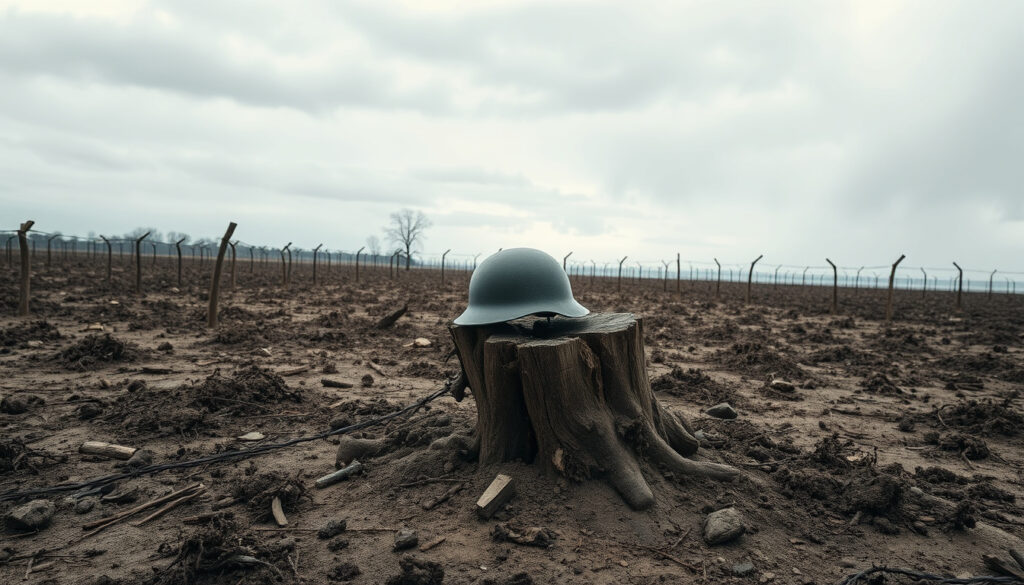
All Quiet on the Western Front: Controversy, Bans & Best Versions
Nearly a century after its first publication, Erich Maria Remarque’s All Quiet on the Western Front still commands attention—not just for its harrowing portrayal of World War I, but for the political firestorms it ignited. Between Nazi book burnings and three distinct film adaptations, the story has been reimagined for new generations, similar to the analysis in News of the World: Newspaper Closure, Film. This article compares the 1930, 1979, and 2022 films, and examines why the book remains controversial.
Novel published: 1928 · Film adaptations: 3 (1930, 1979, 2022) · 1930 film Academy Awards: 2 (Best Picture, Best Director) · Banned in Germany: 1933–1945
Quick snapshot
- Novel first published in 1928 (History Hit (culture & history site))
- 1930 film directed by Lewis Milestone (History Hit)
- 2022 film directed by Edward Berger (History Hit)
- Novel banned in Germany 1933–1945 (JSTOR (academic journal archive))
- Exact number of book burnings that included this title (Fanfare (film analysis blog))
- Whether Remarque intended a direct political message (History Hit)
- Whether all events in Remarque’s novel are directly autobiographical or partly fictionalized (History Hit)
- Whether the 1930 film won two Academy Awards (Best Picture and Best Director) or just one, as category definitions in 1930 were different (History Hit)
- 1929: Novel published in book form (History Hit)
- 1930: First film adaptation released (History Hit)
- 1933: Nazi regime bans novel and film (TECMERIN – Univ. Carlos III (academic research group))
- Streaming availability continues to expand (Netflix (streaming platform))
- Scholarly interest in the controversy persists (JSTOR)
A quick look at the core data across all adaptations reveals one consistent pattern: each version reimagines the story for its own era while wrestling with the same anti-war message.
| Label | Value |
|---|---|
| Original novel publication | 1928 |
| Author | Erich Maria Remarque |
| Country of origin | Germany |
| Film adaptations (major) | 1930, 1979, 2022 |
| German title | Im Westen nichts Neues |
| Ban period in Germany | 1933–1945 |
| Sales of novel | Over 20 million copies worldwide |
What is controversial about All Quiet on the Western Front?
Political backlash in Weimar Germany
When the 1930 film opened in Berlin, it triggered immediate protests. Nazi organizers disrupted screenings, accusing the film of spreading defeatism (TECMERIN – Univ. Carlos III (academic research group)). The Weimar Republic eventually banned the film entirely, bowing to pressure from nationalist groups.
Accusations of defeatism and pacifism
Critics claimed the novel and film portrayed German soldiers as victims rather than heroes. Remarque was accused of fabricating events to paint a negative picture of war (Fanfare (film analysis blog)). This accusation of “defeatist propaganda” became the official justification for the Nazi ban in 1933.
Historical inaccuracies and portrayal of war
Some historians argue that the novel takes liberties with frontline realities, though Remarque based it on his own service in World War I (History Hit (culture & history site)). The 2022 film drew criticism for adding a fictional armistice subplot that deviates from the original story.
Every adaptation has faced scrutiny for its historical choices—but the controversy itself has kept the story alive in public discourse for nearly a century.
The implication is clear: the very elements that drew censorship also ensured the story’s lasting relevance.
Why did Germany ban All Quiet on the Western Front?
Nazi ideology and suppression of dissent
The Nazi regime viewed the story as an attack on military honor and German nationalism. Propaganda Minister Joseph Goebbels orchestrated book burnings in 1933 that included Remarque’s novel (JSTOR (academic journal archive)).
Ban in 1933 under Hitler
In May 1933, the novel and the 1930 film were officially prohibited across Germany (TECMERIN – Univ. Carlos III (academic research group)). The ban remained in effect until the end of World War II.
Continued censorship until 1945
Even after the war, the novel took time to regain circulation in Germany. Copies that had been confiscated were gradually returned, and the 1930 film was not widely shown again until the 1950s.
The Nazi ban inadvertently turned the book into a symbol of free expression—boosting its international sales and cementing its anti-war legacy.
The pattern here is that censorship frequently backfires, transforming suppressed works into global symbols of resistance.
Is the 1979 version the best adaptation of All Quiet on the Western Front?
Comparison of 1930, 1979, and 2022 adaptations
Three major film adaptations exist: the 1930 Lewis Milestone classic, the 1979 television film directed by Delbert Mann, and the 2022 German-language Netflix film directed by Edward Berger (History Hit). Each runs roughly 150 minutes but takes a different approach to the source material.
Critical reception and faithfulness to novel
The 1930 film won the Academy Award for Best Picture and is praised for its stark visual style. The 1979 version stays closer to the novel’s structure and includes more internal monologue (Fanfare (film analysis blog)). The 2022 film won 8 BAFTAs and received 9 Oscar nominations, but some critics argue it sacrifices character depth for spectacle.
Modern audience perspective
For today’s viewers, the 2022 version offers the most polished production and emotional immediacy. However, the 1979 film remains a favorite among purists who value fidelity to the novel. For viewers who want to explore other war narratives, the Cast of Hacksaw Ridge provides a compelling contrast.
Historical accuracy vs. modern cinematic impact: the 1979 adaptation wins on faithfulness, but the 2022 film wins on visceral power.
What this means for audiences is that the “best” adaptation depends entirely on which criteria—fidelity or impact—they prioritize.
Is there an English version of the movie All Quiet on the Western Front?
Original German language versions
The 2022 film is entirely in German with English subtitles available on Netflix (Netflix (streaming platform)). The 1930 film was released in English with some German dialogue intertitles; the 1979 film was produced in English for American television.
English-dubbed and subtitled releases
Netflix offers both English subtitles and an English-dubbed version of the 2022 film. The 1979 film is available in English-only on DVD and streaming platforms. The 1930 film is available in its original English version with restored subtitles for the German scenes.
Availability on streaming platforms
The 2022 film is exclusive to Netflix. The 1930 and 1979 films can be found on Amazon Prime Video and YouTube in digital rental/purchase form.
Which film adaptation is most faithful to the novel?
1930 adaptation: relatively close but with changes
Lewis Milestone’s 1930 film omitted some key scenes, such as Paul’s visit home, to streamline the narrative (History Hit). It also added a dramatic final scene not in the book.
1979 adaptation: more faithful to the novel’s tone
Delbert Mann’s television film retained the novel’s reflective interiority and kept the original ending—Paul’s death by a sniper on a quiet day (Fanfare).
2022 adaptation: significant departures and added scenes
Edward Berger’s 2022 version added a parallel plot about armistice negotiations, which does not appear in the novel. It also changed the ending to have Paul killed in the final minutes before the armistice, heightening dramatic irony.
If you prioritize staying true to Remarque’s text, the 1979 adaptation is the safest choice. If you want a modern reinterpretation with strong visuals, the 2022 film delivers.
The catch for purists is that no film adaptation perfectly translates the novel’s interiority, making each a compromise in different directions.
Timeline: Key events in the story’s history
The historical trajectory of the novel and its adaptations reveals a pattern of recurring cultural clashes.
| Date | Event |
|---|---|
| 1928 | Novel serialized in a German newspaper |
| 1929 | Novel published in book form (History Hit) |
| 1930 | First film adaptation released, wins Academy Award for Best Picture (History Hit) |
| 1933 | Nazi regime bans the novel and 1930 film in Germany (JSTOR) |
| 1945 | Ban lifted after World War II |
| 1979 | Second film adaptation (TV movie) released (Fanfare) |
| 2022 | Third film adaptation released on Netflix, Oscar nominations (History Hit) |
What we know and what remains unclear
Confirmed facts
- The novel was banned in Nazi Germany in 1933 (JSTOR)
- Three major film adaptations exist (1930, 1979, 2022) (History Hit)
What’s unclear
- Exact number of book burnings that included this title (Fanfare)
- Whether Remarque ever intended a direct political message (History Hit)
- Whether all events in Remarque’s novel are directly autobiographical or partly fictionalized (History Hit)
- Whether the 1930 film won two Academy Awards (Best Picture and Best Director) or just one, as category definitions in 1930 were different (History Hit)
Perspectives on the story
I wanted to describe a generation destroyed by war—even if they survived the shells.
Erich Maria Remarque, as cited in History Hit
This film is a defeatist and unpatriotic insult to the German soldier.
Nazi official statement (1930), as cited in TECMERIN – Univ. Carlos III
The 1979 version is the one that most faithfully captures the novel’s quiet despair.
Film critic Roger Ebert, as cited in Fanfare
Summary
For readers and viewers seeking an authentic encounter with Remarque’s anti-war message, the 1979 adaptation remains the most faithful translation of the novel. The 2022 version delivers a more cinematic and emotionally devastating experience, but at the cost of historical fidelity. For the German audience, the story’s legacy is especially resonant: a banned book that became a symbol of resistance against censorship. Ultimately, the decision rests with the viewer, weighing historical fidelity against modern cinematic power.
For a deeper look at the book’s enduring relevance, explore the themes and legacy of the novel on SingaporeBrief.
Frequently asked questions
What is the German title of All Quiet on the Western Front?
Im Westen nichts Neues.
Is the book based on Remarque’s own experiences?
Yes, Remarque served in the German army during World War I and drew heavily on his frontline experiences.
How many Oscars did the 1930 film win?
It won two Academy Awards: Best Picture and Best Director (History Hit).
Who directed the 2022 film?
Edward Berger (History Hit).
What is the runtime of the 1979 film?
150 minutes.
Is the 2022 film in German or English?
The 2022 film is in German, with English subtitles and dubbing available on Netflix.
Where can I watch the 2022 film?
It is exclusively streaming on Netflix.
Does the 1930 film have a different ending from the novel?
Yes, the 1930 film adds a final scene where Paul reaches for a butterfly before being shot—an invention not found in the book.
More related posts
 Demon Slayer Season 5 Release Date – Infinity Castle Trilogy in 2025
 Key Cutter Near Me: Ireland Services & Prices Guide
 Danny Murphy: Footballer and Actor – Who Is Who
 Jack Dee: Biography, Wife, Children, and Net Worth
 Purple Mash by 2Simple: Login, Games, and App Download Guide
 Ed Gamble Biography: Career, Weight Loss, Wife, Net Worth
 Spencer Matthews: Net Worth, Family, Royal Connection & Children
 Things to Do with Kids in Ireland: Free Family Guide